The Possibilities with Windshield Crack Repair and When You Need a Replacement
The Possibilities with Windshield Crack Repair and When You Need a Replacement
Windshields are one of the most critical components of vehicle safety, and even the smallest crack can compromise the integrity of the entire structure. Windshield crack repair has evolved as an industry and the possibilities for what can be repaired continue to grow. If you’re dealing with a long crack in your windshield, you may be asking yourself, “Should I repair this, or will I need to replace it entirely?” This is a common question for vehicle owners who want to save both time and money while ensuring their safety on the road. In this blog post, we’ll explore the possibilities for repairing long cracks in your windshield, when it’s time to opt for a full replacement, and why taking quick action quick is essential for safety and legality.
Understanding the Role of Your Windshield
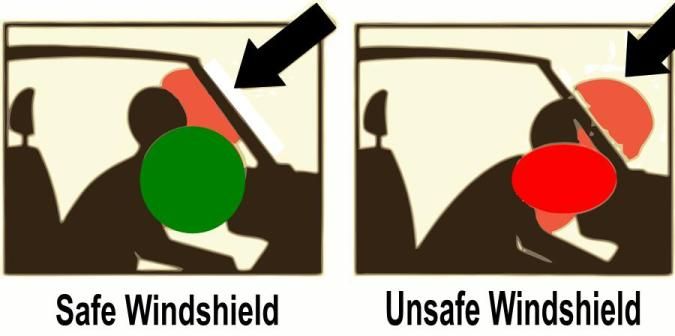
Before diving into the specifics of windshield repair and replacement, it’s essential to understand the crucial role your windshield plays in both safety and vehicle performance. Windshields are more than just a piece of glass; they are an integral part of your vehicle’s structural integrity. In modern vehicles, windshields contribute to the rigidity of the roof, providing support during accidents like rollovers. A properly installed windshield can even aid in the proper deployment of airbags, protecting occupants during a collision. It does so by providing a back stop for the passenger air bag so that the airbag is in the proper position in order to absorb the passengers momentum and keep them from going into the dash or out of the car. Proper deployment of the airbags is critical, preventing injury and even fatality in crashes time and time again.
If your windshield is compromised by a long crack or multiple chips, its ability to perform these vital safety functions is significantly reduced. This is why addressing windshield damage quickly and efficiently is important—not just for convenience, but for your safety and compliance with the law.
Can a Long Crack Be Repaired?
The short answer is that it depends on the length, location, severity, and age of the crack. Windshield repairs are most commonly performed for small chips and cracks, often caused by flying debris or small impacts. The general rule of thumb for repairable cracks has historically been under six inches long. However, advancements in windshield repair technology have expanded the possibilities for repairing cracks that are much longer.
Here’s a breakdown of these factors that determine whether or not a long crack can be repaired:
1. Length of the Crack
- Old Rule: Six Inches or Less
Traditionally, cracks longer than six inches were considered irreparable, and a full windshield replacement would be recommended. This was due to limitations in the resin technology used in repairs and the fear that the structural integrity of the glass would be too compromised. - New Possibilities: Up to 14 Inches
With advancements in windshield repair resins and techniques, many auto glass professionals can now repair cracks as long as 12 to 14 inches. However, this still depends on several other factors, including the age of the crack and the presence of any other cracks spreading from the same place.
2. Location of the Crack
- Cracks on the Driver’s Side
If the crack is directly in the driver’s line of sight, a repair may not be the best option. Even the most skilled repair job can leave a slight distortion or blemish, which can be distracting and compromise visibility. For this reason, a crack in this location often warrants a full replacement. - Cracks Touching Multiple Edges
Cracks that are near the edges of the windshield we repair often at ProGlass, as long as only 1 end of the crack is touching the edge. Cracks with both ends stretching all the way to an edge are not able to be repaired under any circumstances. The edges of your windshield are where the glass is most vulnerable. In such cases, replacing the windshield is the only option.
3. Severity and Spread
- Inner Layer Damage
If the crack has occurred in more than just the outer layer of the windshield, a repair will not be effective. Windshields are made up of two layers of glass with a plastic layer in the middle, and cracks that damage the inner glass layer compromise the safety of the windshield as a whole. - Multiple Cracks or Spider Web Cracks
If your windshield has multiple cracks or the crack has begun to “spider” into smaller fractures, repair might not be feasible. Multiple cracks can weaken the windshield significantly, making a full replacement the safer choice. Star or spider looking rock chips can be repaired usually, however that is not to be confused with spiders or stars that also have a long crack spreading from them. Having a long crack with multiple smaller cracks spanning from it would usually be an indication that he integrity of that particular windshield is already compromised.
- Age of the Crack
- Contamination
The longer you allow the crack to sit there and go unnoticed, the higher the possibility that it will get contaminated by the various elements driving conditions bring upon your vehicle. In cases where a crack has just sat there for months and months, almost every time it will have gotten contaminated to the degree that it is no longer repairable.
When Should You Opt for a Full Replacement?
While repairing a long crack is sometimes possible, there are certain situations where a windshield replacement is necessary, either due to safety concerns or state regulations.
1. Crack Size and Spread
As mentioned earlier, if your windshield crack exceeds 12 to 14 inches in length or if it has spread into multiple fractures, a replacement is often the only viable option. Even if a repair is possible, it may not restore the structural integrity needed to keep you safe.
2. Location of the Crack
If the crack is in the driver’s line of sight, even a successful repair could leave visual distortions. These distortions may be minimal, but they could still affect your ability to see clearly.
3. State Regulations
Depending on where you live, driving with a cracked windshield could result in a ticket or fine. Many states have regulations that mandate replacing windshields with cracks or chips that obscure the driver’s view, especially those directly in the driver’s line of sight.
In Illinois, for example, a damaged windshield is a ticketable offense if it interferes with the driver’s visibility.
4. Compromised Safety
Windshields do much more than provide a clear view of the road. In the event of an accident, the windshield helps to distribute the force of impact across the vehicle. If the windshield is cracked or otherwise damaged, it may not hold up in the event of a crash, making airbag deployment less effective or even causing the roof to collapse in the event of a rollover.
5. Advanced Driver Assistance Systems (ADAS)
Many newer vehicles are equipped with Advanced Driver Assistance Systems (ADAS), such as lane departure warning, automatic emergency braking, and adaptive cruise control. These systems often rely on sensors and cameras mounted near or behind the windshield. If your vehicle has ADAS technology and the windshield is cracked near these sensors, it may affect the functionality of these safety features. In such cases, replacing the windshield is often necessary to ensure the proper functioning of your vehicle’s ADAS.
The Risks of Ignoring a Cracked Windshield
It’s tempting to ignore a small crack, especially if it seems insignificant or isn’t obstructing your view. However, cracks tend to grow over time due to changes in temperature, road vibrations, and even moisture seeping into the crack. What may begin as a minor issue can quickly become a significant safety hazard. Here are some risks of ignoring a cracked windshield that highlight the need for a proper and timely windshield crack repair:
1. Weakened Structural Integrity
As mentioned earlier, the windshield is a crucial part of your vehicle’s structure. Even a small crack can reduce the windshield’s strength, increasing the risk of shattering upon impact.
2. Increased Repair Costs
The longer you wait to address a windshield crack, the larger and more severe it can become. What may have started as a simple repair can quickly turn into a more expensive repair or replacement if the crack spreads beyond repair.
3. Potential for Shattering
Cracks can spread quickly, especially with temperature fluctuations. For example, in a hot environment, the glass expands, and in colder temperatures, it contracts. So, in climates where temperatures constantly fluctuate, the windshield is constantly expanding and contracting.These changes can and many times will cause the crack to worsen, increasing the risk of the windshield shattering entirely while driving.
4. Legal Issues
Many states have strict laws regarding windshield damage. In some cases, law enforcement officers can issue a citation for driving with a cracked windshield, especially if it obstructs your view. It can be easy to push this one aside and assume it won't happen but believe me, it certainly can and will.
The Repair Process: What to Expect
If you’ve determined that your windshield crack is repairable, you might be wondering what the repair process looks like. A windshield crack repair typically involves injecting a special resin into the crack, which is then cured using ultraviolet light. Here’s a step-by-step overview of the process:
1. Cleaning the Area
Before the repair process begins, the technician will thoroughly clean the area around the crack to ensure that no debris or moisture is trapped inside.
2. Injecting the Resin
A specialized resin is injected into the crack. This resin fills in the crack and bonds with the glass, preventing the crack from spreading further.
3. Curing with Ultraviolet Light
Once the resin is in place, an ultraviolet light is used to cure (harden) the resin. This process typically takes a few minutes and ensures that the resin forms a solid bond with the glass.
4. Polishing the Surface
After the resin has cured, the technician will polish the surface of the glass to smooth out any imperfections and restore a clear view.
The entire process usually takes less than an hour and can be done at your home, workplace, or auto shop, making it a convenient option for those looking to save time and avoid a full replacement.
With that being said, don’t try to repair your windshield damage yourself using DIY kits and domestic remedies. 9 times out of 10 these solutions do not solve the issue and even make it worse by preventing a professional from being able to do anything further.
Conclusion: Repair or Replace?
Deciding between windshield crack repair or replacing your windshield depends on several factors, including the size, location, severity and age of the crack, as well as state regulations and safety concerns. While advances in technology have made it possible to repair longer cracks than ever before, there are still limits to what can be safely repaired.
If the crack is longer than 12 to 14 inches, located in the driver’s line of sight, near the edges of the windshield or has been sitting for months on end, a replacement is likely the safest option. Additionally, if your vehicle has advanced safety systems like ADAS, it’s essential to ensure the windshield is properly replaced to maintain functionality.
At ProGlass in Naperville, IL, we specialize in windshield crack repair. If you’re dealing with a long crack in your windshield, give us a call and we’ll be able to guide you in making the proper decision between a repair or a replacement. Also, check out this article we published on The Role of a Windshield in Vehicle Structural Integrity: Why a Crack or a Chip Is a Serious Safety Concern
Categories
> News
> Repair Tips
> Replacement Tips
Get $25 Off Your First Windshield Coating With ProGlass! Using Promo Code: PROCUSTOMER24
Ready to take charge of your windshield's health? Explore our range of expert services at ProGlass Windshield Repair today. Don't wait until it's too late – ensure clarity and safety on the road with ProGlass.